Diamond powder, derived from the hardest naturally occurring material, is transforming industries with its remarkable properties. From precision manufacturing to cutting-edge scientific research, this versatile material delivers unmatched performance. In this comprehensive guide, we explore what diamond powder is, its types, applications, safety considerations, and its impact across various sectors. Discover how diamond powder can elevate your projects with its exceptional qualities.
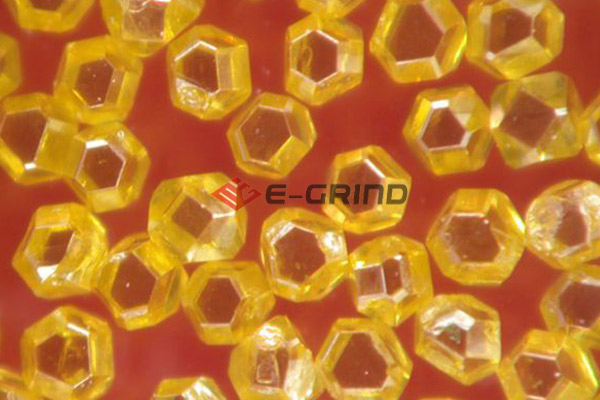
Diamond powder consists of finely ground diamond particles, ranging from nanometers to micrometers in size. It retains the core properties of diamonds—extreme hardness, superior thermal conductivity, and chemical inertness—making it ideal for applications requiring precision and durability. Available in natural and synthetic forms, synthetic diamond powder is widely used due to its consistency, affordability, and ethical production.

| Property | Description |
| Hardness | Rated 10 on the Mohs scale, the hardest known natural material. |
| Thermal Conductivity | Efficiently dissipates heat, ideal for electronics and high-performance tools. |
| Chemical Inertness | Resistant to most chemicals, ensuring stability in harsh environments. |
| Particle Size Control | Available in nano to micron sizes, tailored for specific applications. |
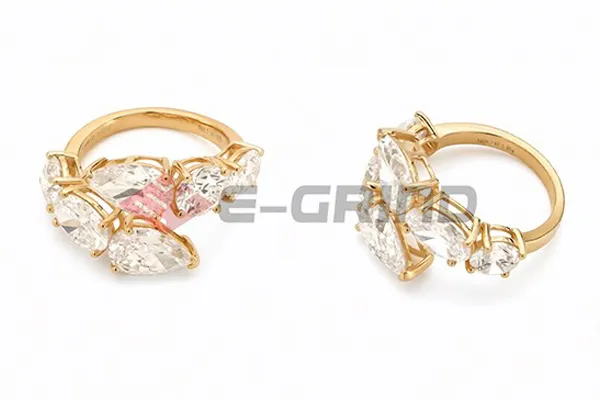
Yes, diamond powder is made from real diamonds, whether natural or synthetic. Both forms share the same chemical composition (crystallized carbon) and physical properties as larger diamonds. The powdered form is created by grinding diamonds into fine particles, enabling a wide range of industrial and scientific applications. Synthetic diamond powder, produced in controlled lab environments, is preferred for its consistent quality and ethical sourcing.
Diamond powder comes in several forms, each tailored to specific applications:
Natural Diamond Powder
Sourced from mined diamonds, this type is less common due to high costs and limited availability. It's used in specialized applications where natural diamonds are required.
Synthetic Diamond Powder
Produced in labs, synthetic diamond powder offers consistent quality and affordability. It's created through:
High Pressure High Temperature (HPHT): Replicates natural diamond formation by subjecting carbon to extreme conditions.
Chemical Vapor Deposition (CVD): Grows diamond crystals from a hydrocarbon gas mixture.
Nano Diamond Powder
With particle sizes in the nanometer range, this ultra-fine powder is ideal for high-precision applications like nanotechnology and advanced material development.
Metal Bond Diamond Powder
Diamond particles coated with metal, used in cutting and grinding tools for enhanced durability. E-Grind, a professional micron diamond powder supplier in China, offers two types of metal bond diamond powder: metal bond micron diamond and metal bond mesh diamond.
Resin Bond Diamond Powder
Coated with resin, the resin bond diamond powder is suited for polishing applications requiring a softer abrasive.

Specialized Synthetic Variants
Detonation Polycrystalline Diamond Powder: Offers self-sharpening properties, high removal rates, and fewer scratches.
Monocrystalline Diamond Powder: Provides high lapping efficiency with minimal scratches.
Rough-Surface Monocrystalline Diamond Powder: Combines monocrystalline precision with polycrystalline performance.
Diamond powder's versatility makes it indispensable across multiple industries:
Diamond powder is a cornerstone in manufacturing due to its unmatched hardness. Key uses include:
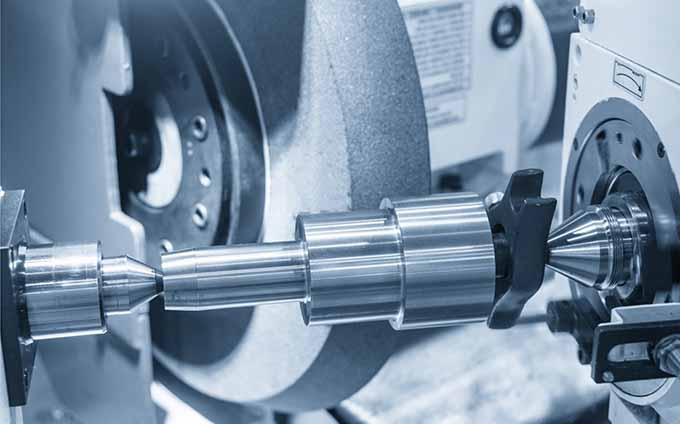
Cutting and Grinding: Tools embedded with diamond powder cut through hard materials like ceramics, glass, and composites with precision.
Polishing: Achieves mirror-like finishes on gemstones, optical lenses, and precision components.
Automotive and Aerospace: Polishes engine parts and turbine blades to reduce friction and enhance performance.
Electronics: Polishes silicon wafers for microchip production, ensuring ultra-smooth surfaces critical for semiconductor manufacturing.
Nanotechnology: Nano-diamond powder is used in developing advanced materials and drug delivery systems.
Electronics: Leverages diamond's thermal conductivity for heat management in high-performance devices.
Quantum Research: Supports studies in quantum effects and super-hard material development.
Diamond powder's unique properties translate into significant advantages:
Unparalleled Hardness: Outperforms other abrasives, enabling precise cutting, grinding, and polishing.
High Thermal Conductivity: Ideal for applications requiring heat dissipation, such as electronics.
Chemical Stability: Resists corrosion, ensuring reliability in harsh environments.
Customizable Particle Sizes: Tailored for specific needs, from nano-scale to micron-scale.
Durability: Extends the lifespan of tools, reducing replacement costs and downtime.
While diamond powder is chemically inert and non-toxic, fine diamond dust can pose risks if mishandled:
Inhalation Risk: Inhaling fine particles may irritate the respiratory system. Proper ventilation and masks are essential in industrial settings.
Skin and Eye Irritation: Prolonged exposure without protective gear may cause irritation.
Environmental Impact: Synthetic diamond production is more sustainable than mining, but energy-intensive processes require eco-friendly advancements.
*Safety Tips:
Use personal protective equipment (PPE) like masks and gloves.
Ensure proper ventilation when handling diamond powder.
Follow safety guidelines for storage and disposal.
Synthetic diamond powder is the preferred choice for most applications due to:
Consistency: Uniform particle sizes ensure predictable performance.
Cost-Effectiveness: Lower production costs compared to natural diamonds.
Ethical Sourcing: Avoids environmental and ethical issues associated with diamond mining.
Scalability: Large quantities can be produced to meet industrial demand.
| Feature | Natural Diamond Powder | Synthetic Diamond Powder |
| Source | Mined diamonds | Lab-created |
| Cost | Expensive | Affordable |
| Consistency | Variable | Highly consistent |
| Ethical Concerns | Mining-related issues | Minimal |
| Applications | Specialized | Broad, versatile |
Diamond powder is driving innovation in:
Quantum Computing: Nano-diamond powder is being explored for quantum sensors and computing components.
Advanced Materials: Used in developing super-hard coatings and composites.
Sustainable Manufacturing: Advances in eco-friendly production methods are reducing the environmental footprint of synthetic diamond powder.
Diamond powder is a transformative material revolutionizing industrial and scientific applications. Its unmatched hardness, thermal conductivity, and versatility make it essential for precision manufacturing, electronics, and cutting-edge research. Whether you're polishing high-performance components or exploring nanotechnology, diamond powder delivers exceptional results.
Explore the power of diamond powder for your projects. Visit E-Grind Super Abrasives Powder to discover our high-quality diamond powder products and elevate your applications.


 English
 日本語
日本語 한국어
한국어 français
 Deutsch
 Español
 italiano
 русский
 português
 العربية
 tiếng việt