In precision manufacturing, selecting the right abrasive material plays an important role in improving machining efficiency, surface quality and production consistency. Abrasive diamond powder has become a preferred solution for many industrial applications because of its exceptional hardness, wear resistance and ability to process difficult materials.
From optical component polishing to semiconductor manufacturing and precision grinding, different diamond powder grades are designed for specific production requirements. Understanding particle size, application conditions and material compatibility helps manufacturers choose the most suitable abrasive solution for better performance and longer tool life.
Abrasive diamond powder is an industrial abrasive material made from diamond particles that are processed into different sizes and grades for grinding, polishing and precision machining.
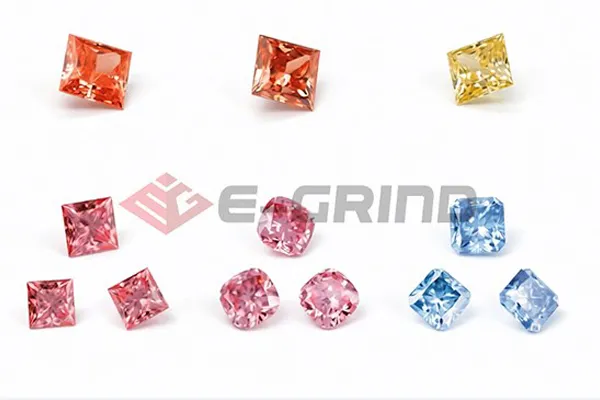
Unlike natural diamonds used for jewelry, industrial diamond powder is mainly produced through synthetic diamond manufacturing processes. Synthetic diamond materials offer stable physical properties, consistent hardness and reliable performance, making them suitable for demanding industrial environments.
The main advantages of diamond powder include:
Extremely high hardness for machining hard materials
Excellent wear resistance for long-lasting performance
Stable cutting ability during precision operations
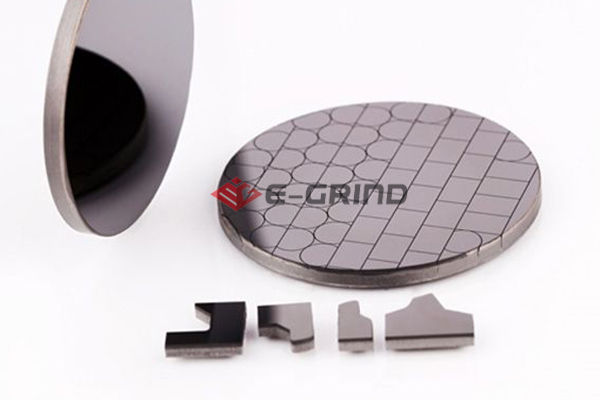
Because of these characteristics, abrasive diamond powder is widely used for processing materials such as ceramics, glass, carbide, gemstones and semiconductor components.
Different manufacturing processes require different diamond powder structures. Selecting the correct type depends on the required cutting performance, surface finish and workpiece characteristics.
Diamond micro powder is made from extremely fine diamond particles and is mainly used for precision applications that require smooth surfaces and high accuracy.
Due to its small particle size, it is commonly applied in:
Optical component polishing
Semiconductor wafer processing
Precision surface finishing
Compared with larger particles, diamond micro powder provides better control during polishing processes and helps reduce surface damage.
Coarse diamond grit contains larger particles with stronger cutting capability. It is suitable for applications where fast material removal is required, including grinding wheels, cutting tools and heavy-duty machining.
This type of diamond material is often selected when processing hard materials that are difficult to machine with conventional abrasives.
Fine diamond powder provides a balance between cutting efficiency and finishing performance. It is commonly used in applications requiring controlled material removal and improved surface appearance.
Choosing the correct diamond powder grade ensures better processing results and reduces unnecessary tool consumption.
Diamond powder is widely used in industries that require high precision and excellent surface quality. Due to its superior hardness, it can process materials that traditional abrasives cannot handle efficiently.
In polishing applications, diamond particles help manufacturers achieve smooth and accurate surfaces on glass, ceramics and optical components. In grinding processes, abrasive diamond powder improves machining efficiency while maintaining consistent results.
Common applications include:
Precision polishing: Used for optical components, electronic materials and high-value parts.
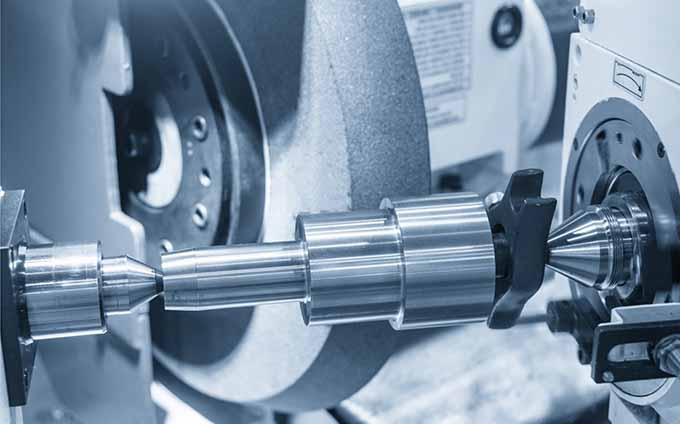
Grinding tools: Applied in grinding wheels and tools for carbide, ceramics and other hard materials.
Semiconductor processing: Supports ultra-precision manufacturing of semiconductor components.
Cutting applications: Improves the performance of industrial cutting tools.
The selection of diamond powder depends on the required surface quality, machining speed and material characteristics.
| Type | Particle Size | Main Applications |
|---|---|---|
| Coarse Diamond Powder | Larger particles | Grinding and cutting |
| Diamond Micro Powder | Fine particles | Precision polishing |
| Ultra-Fine Diamond Powder | Smaller particles | Advanced surface finishing |
Particle size is one of the most important factors affecting diamond powder performance. Larger particles usually provide stronger cutting ability, while smaller particles are more suitable for polishing and ultra-precision finishing.
Manufacturers should select the appropriate grade based on production requirements instead of choosing only the finest particle size.
Selecting suitable industrial diamond grit requires evaluating multiple factors, including application type, workpiece material and production requirements.
Particle size directly affects cutting performance and surface finish. Coarse particles are generally suitable for grinding and material removal, while finer particles are preferred for polishing applications.
Different materials require different diamond powder grades. Hard materials such as ceramics, carbide and semiconductor components may require specific diamond structures to achieve stable machining performance.
Manufacturers should also consider concentration, bonding system and operating conditions. The right combination of diamond grade and application requirements can improve productivity and reduce processing costs.
A reliable supplier can provide technical recommendations to help customers select the most suitable industrial diamond grit for their applications.
Superabrasives Powder provides high-quality diamond abrasive materials with consistent performance, customized specifications and professional technical support.
The company supplies diamond powder solutions for various industrial applications, including precision polishing, grinding and advanced manufacturing processes. Through strict quality control and particle classification, Superabrasives Powder helps customers achieve stable abrasive performance.
For industrial buyers, supplier capability, product consistency and technical support are important considerations when selecting a long-term diamond material partner.
Diamond powder is widely used in precision machining, polishing, cutting tools, semiconductor processing and optical manufacturing industries.
Yes. Particle size influences cutting efficiency and surface roughness. Smaller particles usually provide smoother finishing results.
Yes. Diamond powder can be customized according to particle size, concentration and specific application requirements.
Quality control usually includes particle distribution analysis, purity testing and performance evaluation.
Yes. Synthetic diamond materials are widely used in industrial applications because they provide stable performance and consistent quality.
Choosing the right grade of abrasive diamond powder is essential for achieving efficient and precise manufacturing results. Different types, from coarse diamond grit for grinding applications to diamond micro powder for advanced polishing, provide specific performance advantages.
By evaluating particle size, workpiece materials and production requirements, manufacturers can select the most suitable abrasive solution. Superabrasives Powder provides reliable abrasive diamond powder materials to support modern precision manufacturing needs.


 English
 日本語
日本語 한국어
한국어 français
 Deutsch
 Español
 italiano
 русский
 português
 العربية
 tiếng việt