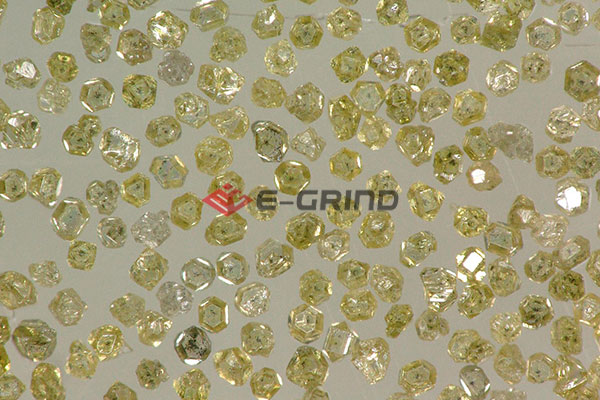
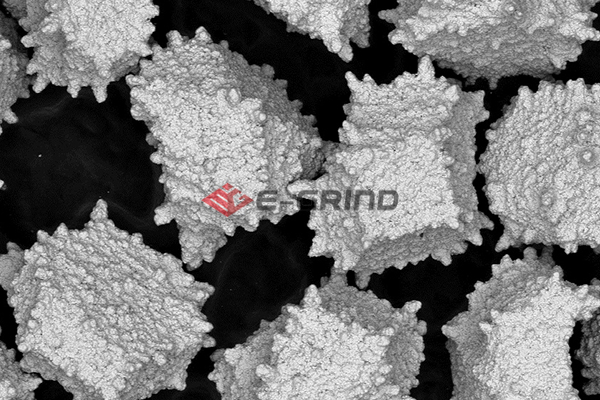
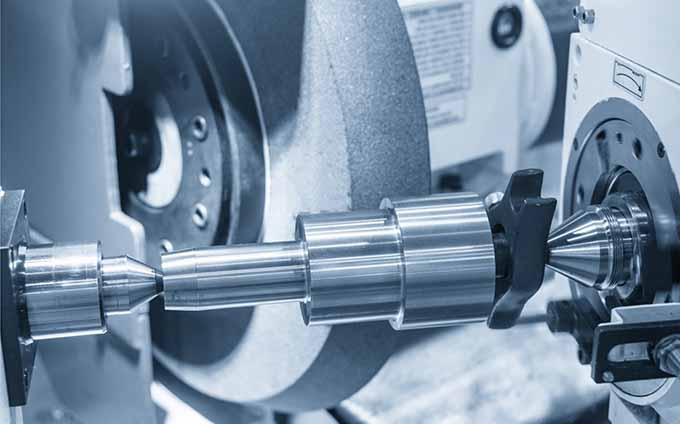
PCBN blanks, or polycrystalline cubic boron nitride blanks, provide exceptional hardness and thermal stability, making them ideal for ferrous material cutting. The polycrystalline structure of these blanks combines high-density CBN particles with a tough binder, creating a material capable of withstanding the high friction and heat generated during cutting. This intrinsic hardness reduces tool wear, prevents deformation, and allows the cutting edge to maintain sharpness over extended use. As a result, PCBN blanks enable precision machining with consistent performance, ensuring that tools remain effective for longer periods even under high-speed or continuous cutting operations.
The use of a PCBN blank directly affects the surface quality of ferrous components. The uniform hardness and fine grain distribution in the blank allow for smooth interaction with the workpiece, reducing micro-chipping, tearing, and roughness that often occur with conventional tools. When properly applied, PCBN blanks produce cleaner cuts and improved dimensional accuracy, minimizing the need for secondary finishing processes. This results in superior surface finish, tighter tolerances, and overall higher quality in critical applications such as automotive components, dies, and high-performance machinery parts.
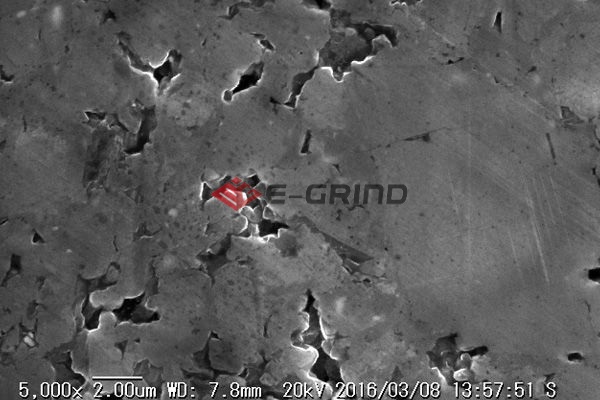
One of the key advantages of PCBN blanks is their ability to withstand high temperatures without losing structural integrity. Ferrous materials generate significant heat during cutting, which can soften or wear down conventional tool materials. The thermal stability of PCBN blanks ensures that the cutting edge remains stable, preventing rapid wear and maintaining consistent cutting geometry. By controlling the effects of heat, PCBN blanks extend the operational life of tools and reduce the risk of workpiece damage due to thermal expansion or localized overheating.
PCBN blanks are widely utilized in industries requiring precision cutting of hardened steels, cast iron, and other ferrous alloys. Their ability to maintain sharpness and resist wear makes them indispensable for turning, milling, and finishing operations. High-performance tools using PCBN blanks deliver uniform material removal, improved cutting efficiency, and predictable tool life. Additionally, the quality of surface finishes achieved with these blanks enhances the reliability and durability of finished components, which is especially critical in sectors such as automotive, aerospace, and heavy machinery manufacturing.
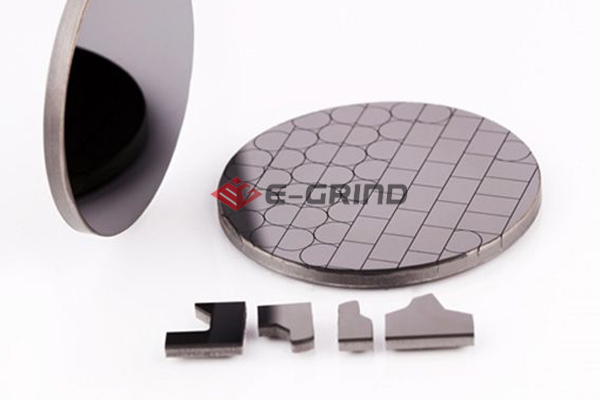
The performance of PCBN blanks can be further optimized by controlling grain size, binder composition, and sintering conditions. Fine-grained CBN particles embedded in a strong binder create a balance of hardness and toughness, allowing the blank to absorb cutting forces without fracturing. Careful engineering of these blanks ensures that wear occurs gradually and predictably, providing both prolonged tool life and superior surface quality. Manufacturers like E-Grind focus on producing PCBN blanks with consistent structure and minimal defects, ensuring that every tool performs reliably under demanding ferrous machining conditions.


 English
 日本語
日本語 한국어
한국어 français
 Deutsch
 Español
 italiano
 русский
 português
 العربية
 tiếng việt