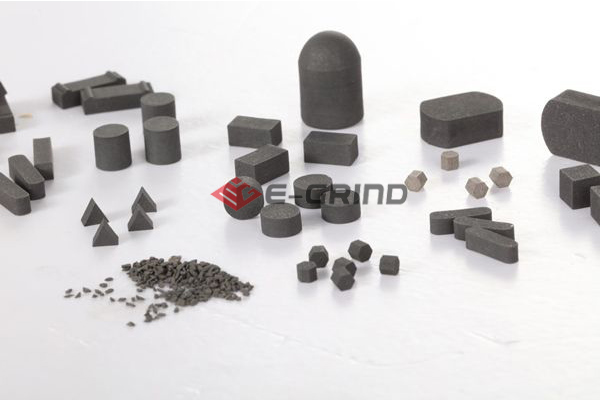
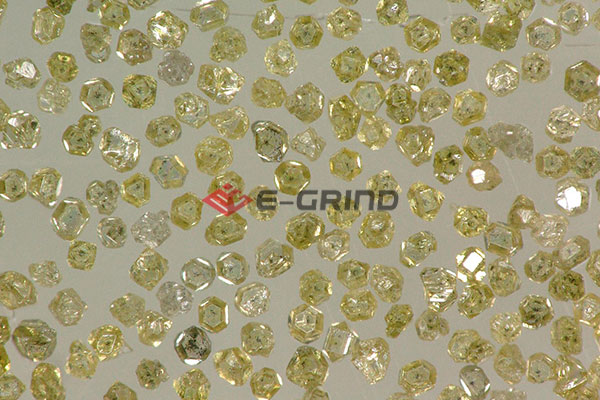
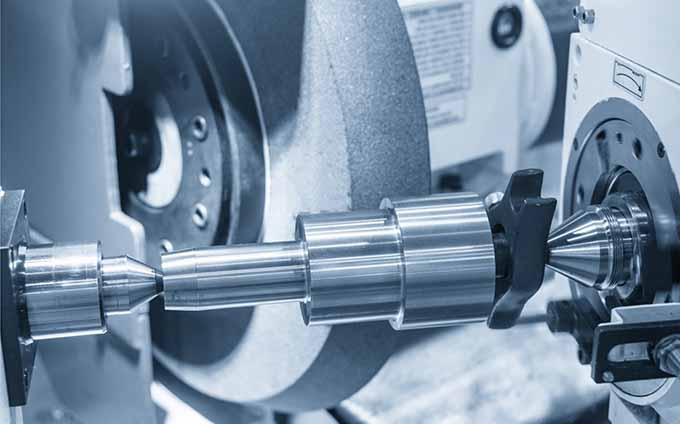
Grain perfection in monocrystalline diamond powder is a critical factor determining its performance in high-precision applications. Each particle in a monocrystalline diamond powder batch consists of a single, continuous crystal lattice without internal grain boundaries, which ensures predictable cutting and polishing behavior. Imperfections such as dislocations, inclusions, or lattice distortions can reduce hardness, generate uneven wear, and compromise surface finishes during processing. The synthesis process of monocrystalline diamond powder, which involves controlled high-pressure and high-temperature conditions, is carefully designed to minimize such defects. Maintaining perfect crystal grains allows the abrasive to deliver uniform material removal, consistent mechanical strength, and reliable durability, which are essential for demanding industries such as optical component polishing, semiconductor wafer processing, and superhard tool fabrication.
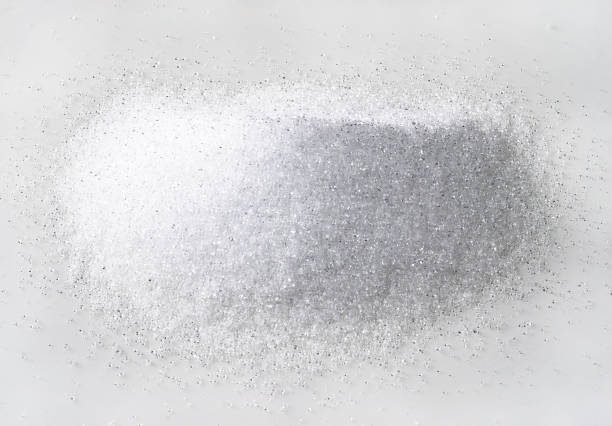
Monocrystalline diamond powder is highly valued in precision polishing due to its consistent grain structure. The perfection of the crystal directly affects how the abrasive interacts with the workpiece surface. Flawless grains produce uniform friction, precise material removal, and a smooth surface free from scratches or micro-cracks. In applications such as sapphire lens finishing or hard alloy polishing, the uniformity of monocrystalline diamond powder ensures even stress distribution, reducing the risk of local surface damage. Imperfect grains, by contrast, can fracture unevenly, leaving behind surface irregularities that compromise optical clarity or mechanical integrity. Therefore, the performance of monocrystalline diamond powder in precision polishing is inseparably linked to the perfection of its crystal grains.
The cutting efficiency of monocrystalline diamond powder is strongly influenced by the perfection of each particle. Perfectly formed single crystals maintain sharp edges and consistent hardness throughout their lifespan, which allows them to cut or abrade surfaces with minimal deformation. Any deviation from perfect lattice structures can create weak points where grains fracture prematurely, leading to inconsistent removal rates and higher tool wear. By ensuring optimal grain perfection, manufacturers such as E-Grind provide monocrystalline diamond powders that retain their sharpness for longer, deliver stable performance under high loads, and produce high-quality finishes on materials ranging from ceramics to superalloys. This is particularly important in automated polishing and grinding systems where uniformity across all particles is required to achieve predictable, reproducible results.
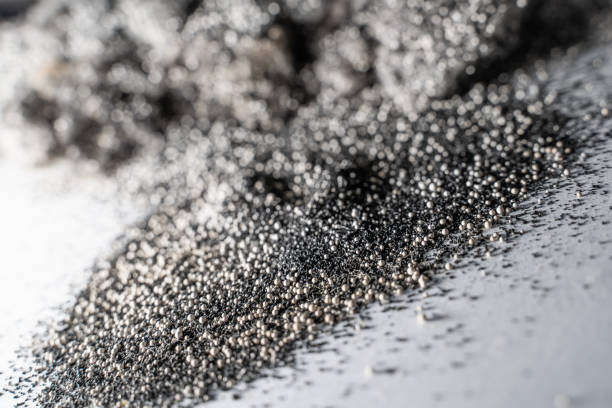
Industries that rely on monocrystalline diamond powder require exceptional grain quality for their processes. Optical component manufacturing demands scratches-free surfaces and nanometer-level flatness, which can only be achieved with perfectly structured grains. Semiconductor wafer lapping relies on consistent particle hardness and uniformity to maintain tight tolerances and avoid surface defects. Similarly, in the production of superhard cutting tools or wire-drawing dies, monocrystalline diamond powder must provide high mechanical integrity and reliable wear resistance. Grain perfection ensures that these demanding applications achieve the expected quality and longevity, making the selection of high-grade monocrystalline diamond powder critical for operational success.
Consistency in monocrystalline diamond powder is achieved through strict quality control and precise synthesis techniques. High-pressure, high-temperature production combined with meticulous particle selection ensures minimal defects and uniform crystal size. Post-synthesis processes, such as classification and inspection, further guarantee that every batch meets stringent standards for grain perfection, particle morphology, and purity. For E-Grind, monitoring these parameters ensures that monocrystalline diamond powders deliver predictable performance in polishing, cutting, and finishing applications. The attention to crystal perfection translates directly into smoother surfaces, reduced tool wear, and consistent processing efficiency, highlighting the fundamental importance of grain quality in high-performance diamond abrasives.


 English
 日本語
日本語 한국어
한국어 français
 Deutsch
 Español
 italiano
 русский
 português
 العربية
 tiếng việt