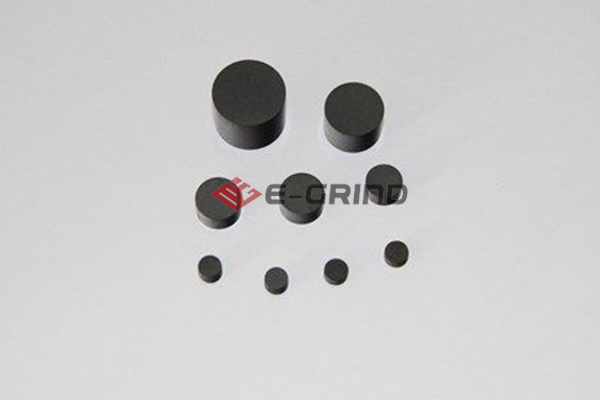
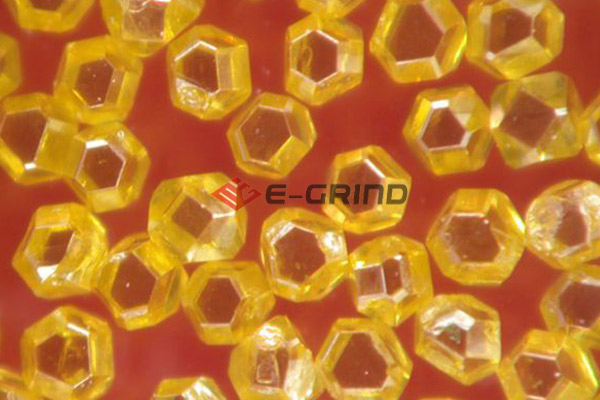
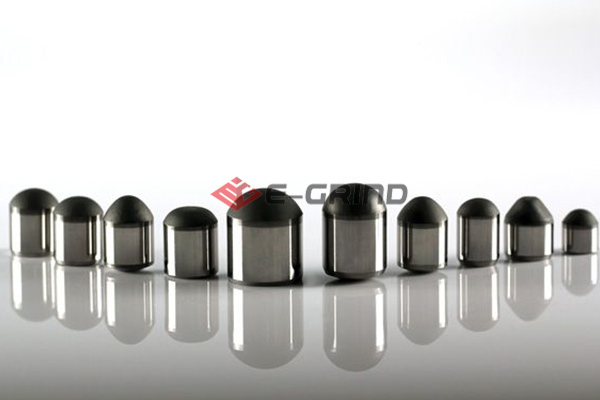
A diamond wire drawing die is a critical tool used in wire production processes to reduce the diameter of metal wires while maintaining tight tolerances and surface quality. Unlike conventional dies made from tungsten carbide or other hard materials, diamond dies—whether natural or synthetic—offer unmatched hardness and wear resistance, making them ideal for drawing high-strength and fine-gauge wires. E-Grind Abrasives' diamond dies are engineered for applications including:
Fine and ultra-fine wire production (such as copper, steel, and specialty alloys).
High-speed drawing processes requiring minimal wear.
Precision wire manufacturing for electronics and medical industries.
By using high-quality diamond wire drawing die, manufacturers achieve better wire uniformity, reduced breakage, and lower production costs.
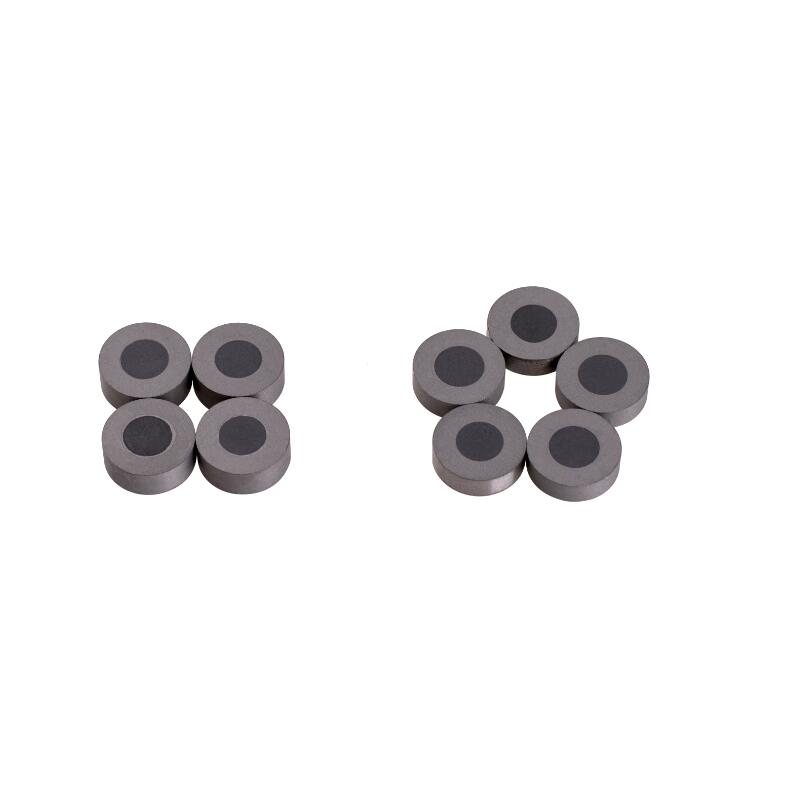
Choosing between natural diamond wire drawing die and synthetic diamond (PCD) dies depends on specific operational needs, material types, and budget considerations. While natural diamond dies excel in ultra-fine wire drawing, synthetic diamond (PCD) dies offer greater toughness for high-volume wire manufacturing. Here's how they compare:
Feature | Natural Diamond Dies | Synthetic Diamond (PCD) Dies |
Hardness & Wear Resistance | Superior hardness (10 on Mohs scale) | Enhanced toughness, less brittle |
Precision & Surface Finish | Ideal for micro-fine wires below 0.1mm | Better for mid-range wire sizes |
Lifespan & Durability | Long-lasting but more susceptible to impact cracks | More resilient in high-production settings |
E-Grind Abrasives provides both natural and synthetic diamond wire drawing dies, ensuring optimal performance based on your wire manufacturing requirements.
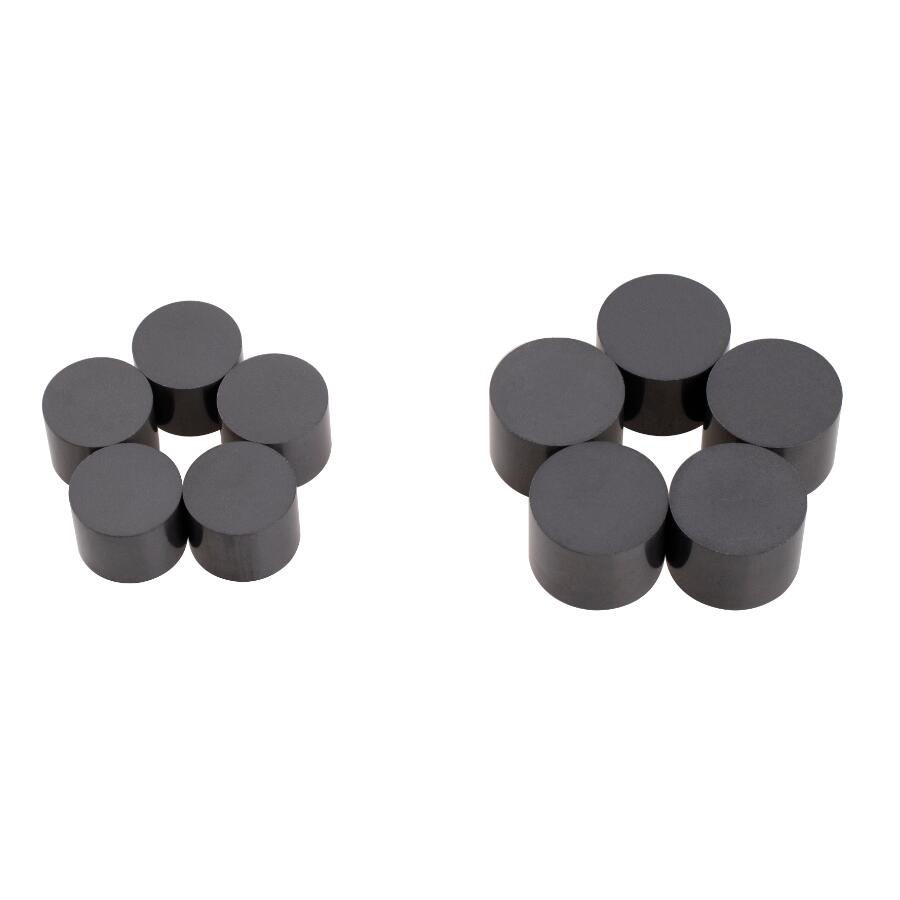
The diamond wire drawing die plays an indispensable role in producing high-quality wires used across various industries, including:
Electronics & Electrical Wiring: Ensures uniform conductivity and minimal surface defects in fine copper and gold wires.
Medical & Surgical Tools: Used for manufacturing high-precision guide wires and catheters.
Automotive & Aerospace: Produces durable wiring for sensors, engine components, and high-strength cables.
Thanks to extreme wear resistance and dimensional stability, E-Grind Abrasives' diamond dies help manufacturers reduce downtime and increase production efficiency.
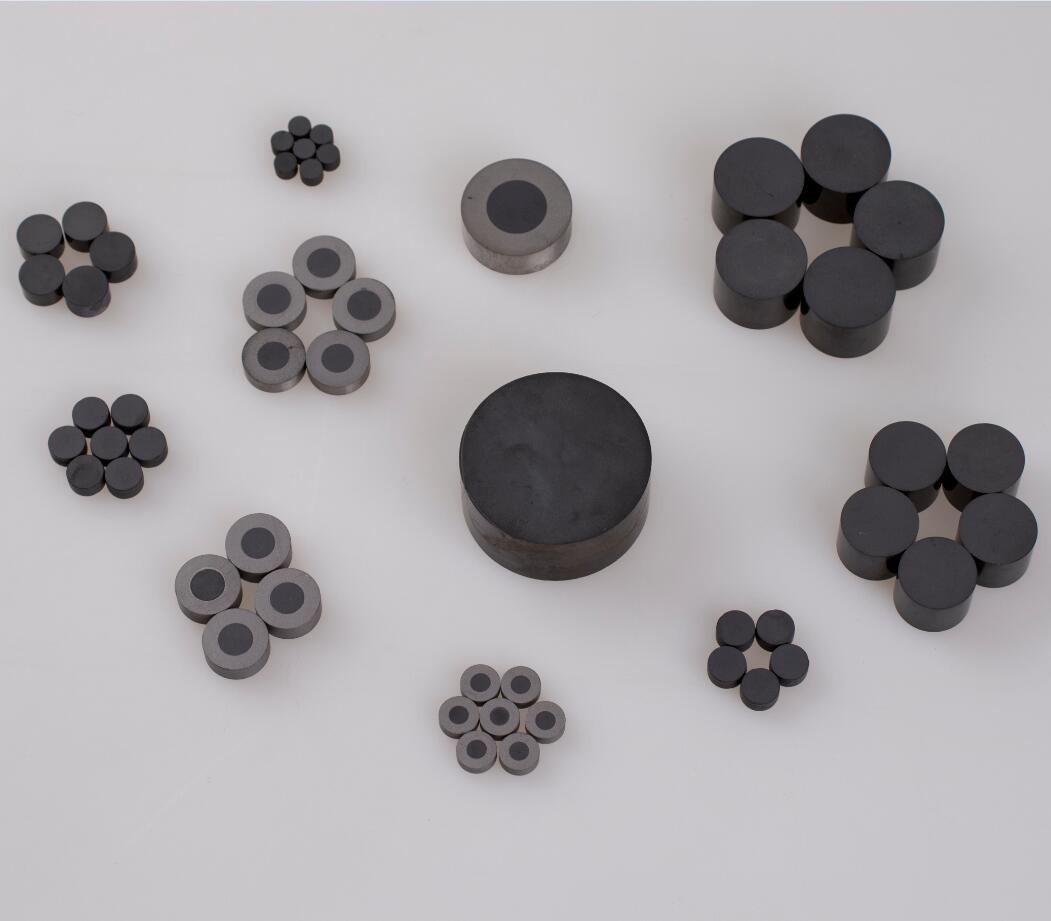
Selecting the correct diamond wire drawing die depends on several critical factors:
Wire Material: Different metals require different die properties; softer metals like copper need ultra-smooth dies, while harder materials like steel benefit from high-impact-resistant dies.
Wire Diameter & Tolerance: Ultra-thin wires (<0.05mm) require natural diamond dies, whereas synthetic diamond (PCD) dies are better for medium-range diameters.
Production Volume: High-volume settings benefit from synthetic diamond dies' extended longevity.
E-Grind Abrasives offers tailored consultation to help manufacturers select the most efficient diamond die solution for optimal wire processing.
With decades of expertise in superabrasives, E-Grind Abrasives stands as a leader in high-precision diamond wire drawing die. Our commitment to advanced manufacturing processes, rigorous quality control, and full traceability ensures that every die meets the highest industry standards.


 English
 日本語
日本語 한국어
한국어 français
 Deutsch
 Español
 italiano
 русский
 português
 العربية
 tiếng việt